
A continent feeding itself — and Ghana is at the centre
Sub-Saharan Africa's food import bill exceeds $50 billion annually. Ghana alone imports rice, poultry, tomato paste, and vegetable oil at a scale that strains its foreign exchange reserves — despite sitting on highly fertile land, reliable rainfall across most regions, and one of the best-irrigated watersheds in West Africa.
That mismatch between what Ghana imports and what Ghana could grow is not a policy failure. It is an investment gap. The domestic production capacity simply has not kept pace with a population that has doubled in 25 years and is urbanising fast. The investor who closes that gap — or even a fraction of it — does not need to compete on price with Asian exporters. They are supplying a market that their competitors have to ship across an ocean to reach.
This is the essential case for agricultural investment in Ghana: not a long-shot bet on an emerging frontier, but a structured play on a structural deficit in a stable country with the soil, the climate, and the policy framework to support production at scale.
"Ghana does not have an agricultural problem. It has an agricultural investment problem. The land is there. The market is there. What is missing is capital and organisation."
— NexusTrade Ghana, Investment Briefing 2025
Three reasons agriculture stands out above other sectors
Domestic demand is guaranteed and growing
Unlike export-oriented manufacturing, agricultural investment in Ghana does not depend on winning overseas buyers before you are profitable. The domestic market absorbs everything you can produce — often at prices that undercut imported goods even without subsidies. Ghana's population of 34 million is growing at 2.3% per year, its middle class is expanding, and urban food demand in Accra and Kumasi far outpaces what local producers currently supply. You are not finding a market. The market is waiting for you.
The policy environment is actively favourable
Ghana's government has, for more than a decade, treated agriculture as a national priority. The Planting for Food and Jobs initiative subsidises inputs. The Ghana Irrigation Development Authority maintains and expands irrigation infrastructure. GIPC designates commercial agriculture as a priority sector — meaning expedited registration, faster land facilitation, and access to investment incentives including a 5–10 year income tax holiday for qualifying agro-processing operations. These are not token gestures; they materially reduce the cost and risk of entry.
ECOWAS is 450 million consumers with one trade agreement
Ghana's membership of the Economic Community of West African States means that goods produced in Ghana move duty-free into 14 neighbouring markets. For a rice farmer, a poultry producer, or a cocoa processor, the addressable market is not 34 million Ghanaians — it is 450 million West Africans. Ghana's transport infrastructure, especially the road network and Tema Port, positions it as the natural production and distribution hub for the entire sub-region. That is a competitive advantage that is built into the geography and cannot be replicated.
Not all of agriculture is equal — here is where the opportunity is clearest
Ghana's agricultural landscape spans dozens of sub-sectors, but for a foreign investor seeking a structured entry point with manageable risk and visible returns, a few areas stand above the rest.
Rice
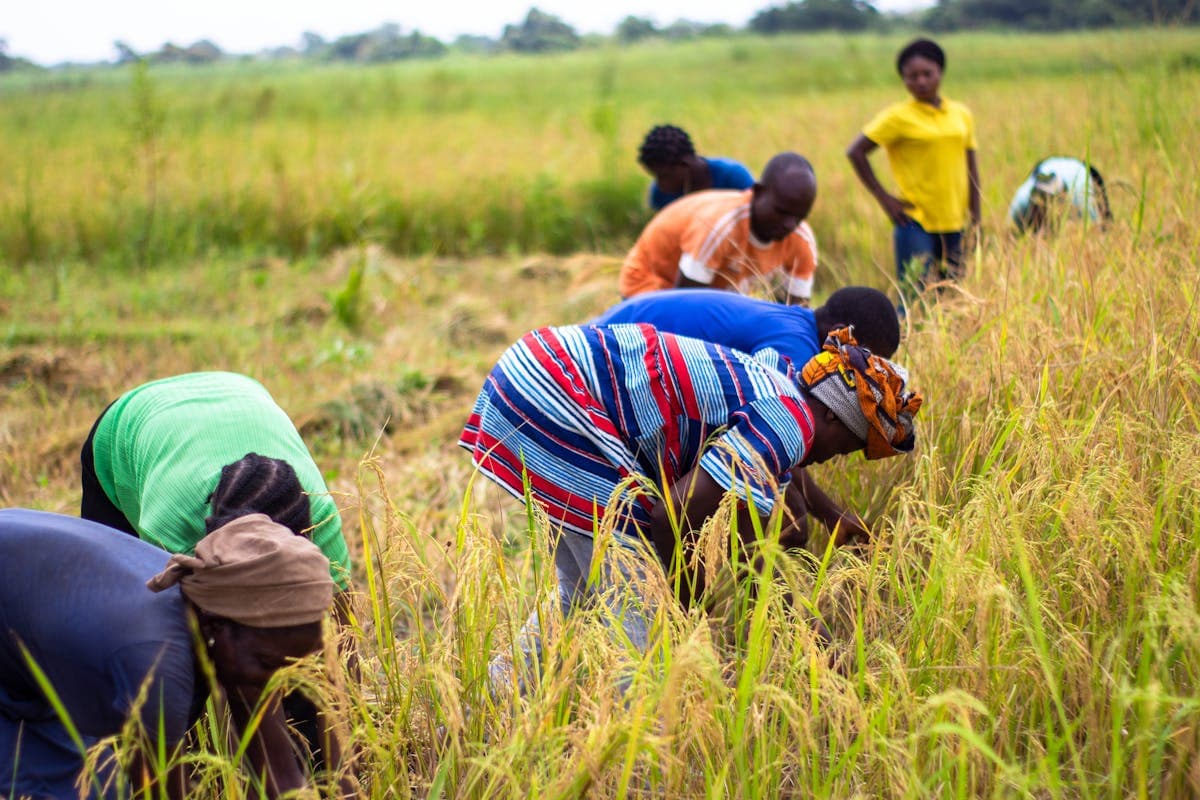
Ghana imports 70% of its rice — a $300M+ annual gap. Northern Region irrigation schemes and fertile land make large-scale production viable today.
Poultry
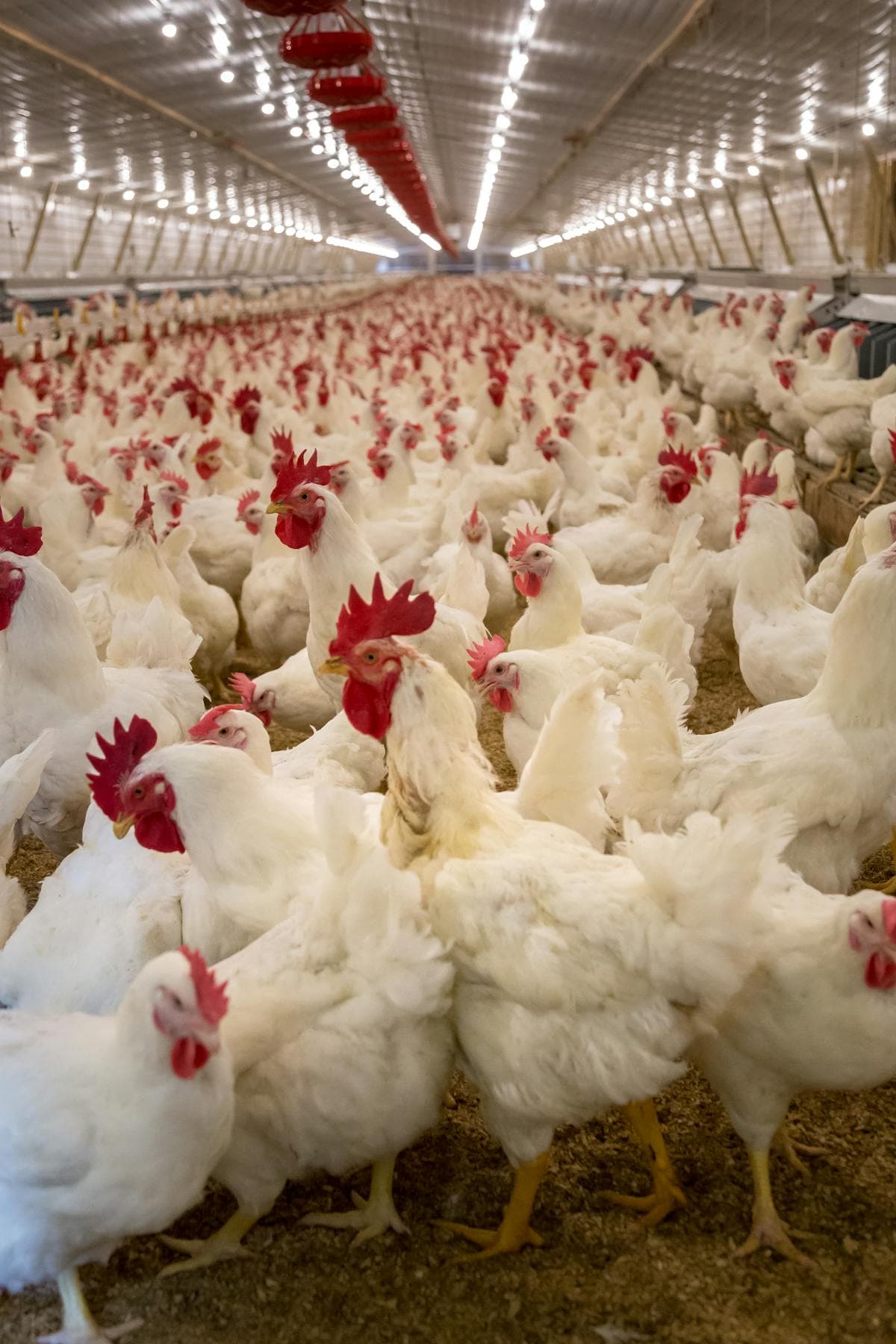
Urban protein demand is outpacing supply. Imported frozen chicken dominates, but domestic production costs are lower. Integrated farms with feed mills are the winning model.
Cocoa Processing
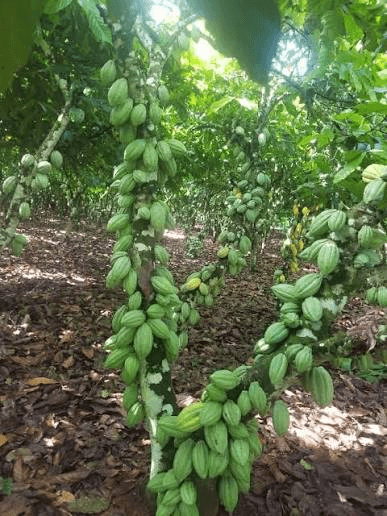
Ghana is the world's No.2 cocoa producer yet exports mostly raw beans. Processing into butter, liquor, and powder adds 40–80% in value before export.
Aquaculture
Fish is the primary protein source for most Ghanaian households. Domestic aquaculture is dramatically undersupplied. Tilapia and catfish farming carries low technical risk.
A word on risk — because credibility requires honesty
Agricultural investment in any developing market carries real risk. Land title complexity, supply chain gaps, and weather variability are genuine considerations — and we will not pretend otherwise.
What we will say is this: the risks are manageable, and they are well understood. Ghana's Land Act 2020 has significantly improved title security. Modern irrigation systems reduce weather dependency for large-scale operations. Structured joint ventures with local cooperatives provide supply chain depth that would take years to build alone.
The investors who have succeeded in Ghana's agriculture sector have not succeeded by ignoring these risks — they have succeeded by structuring their investments to address them from the start. That is what NexusTrade exists to help you do.